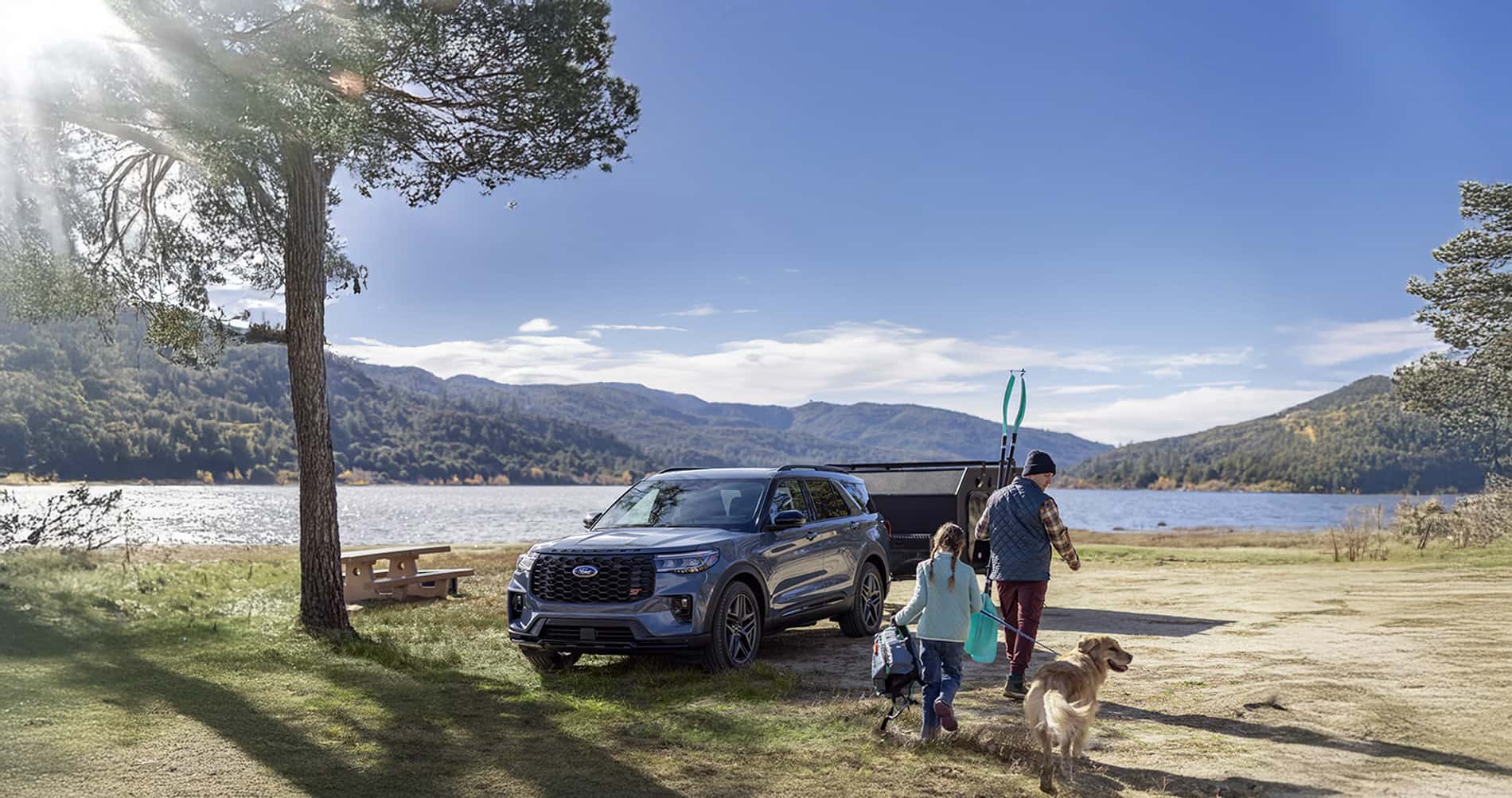
The 2025 Ford Explorer Towing Capacity & Payload highlight the SUV’s ability to handle demanding tasks while maintaining comfort and versatility. As a trusted name in Ford’s lineup, the Explorer continues to deliver the strength and efficiency needed for work, travel, and recreation.
From hauling a boat for a weekend trip to towing a camper across the country, this SUV is built for those who need dependable performance. Its combination of power, advanced technology, and intelligent design ensures confidence on the road, no matter the destination.
This guide breaks down the 2025 Ford Explorer Towing Capacity & Payload, providing key insights into what makes it a capable and well-rounded choice for drivers needing strength and flexibility.
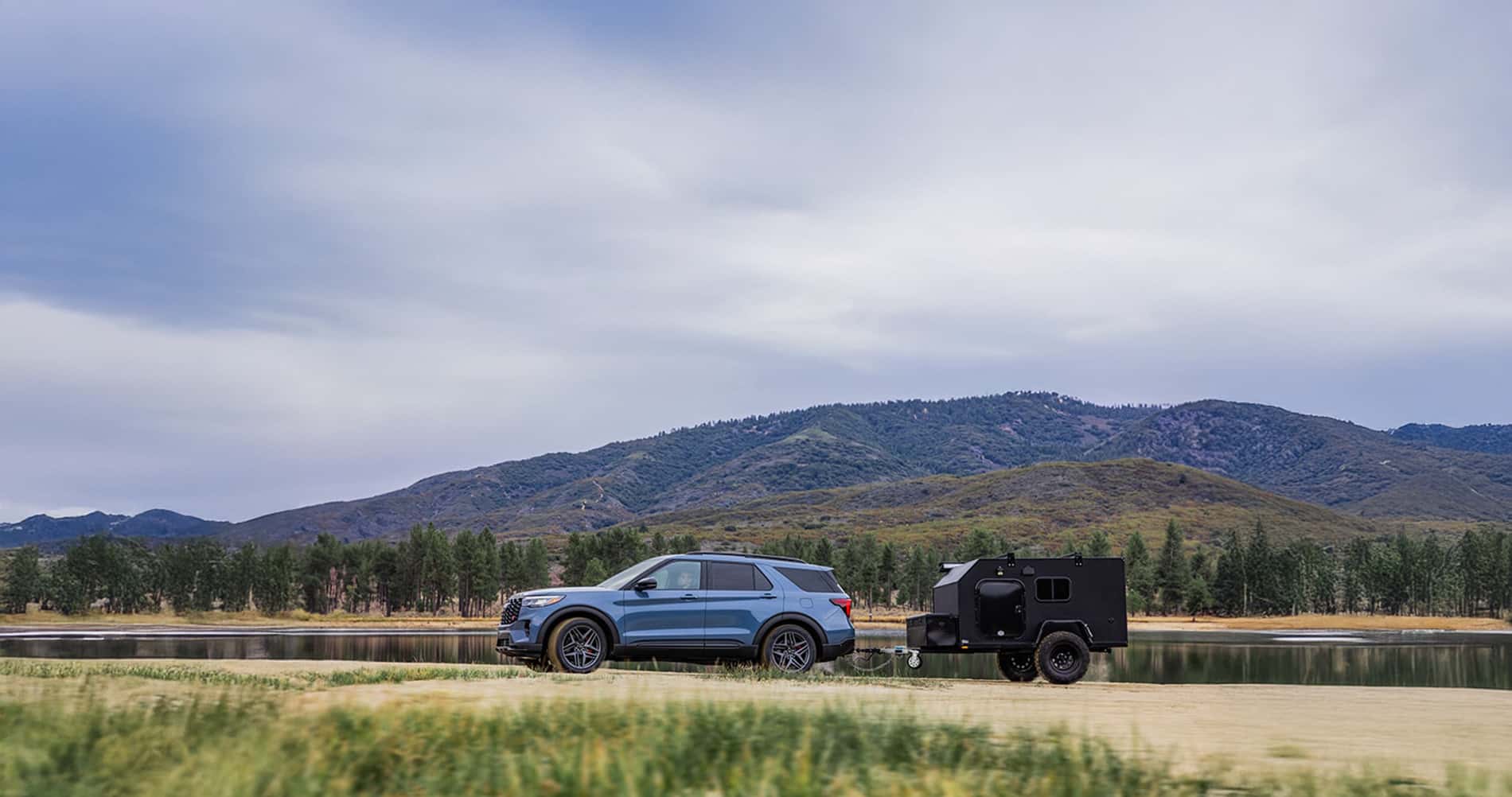
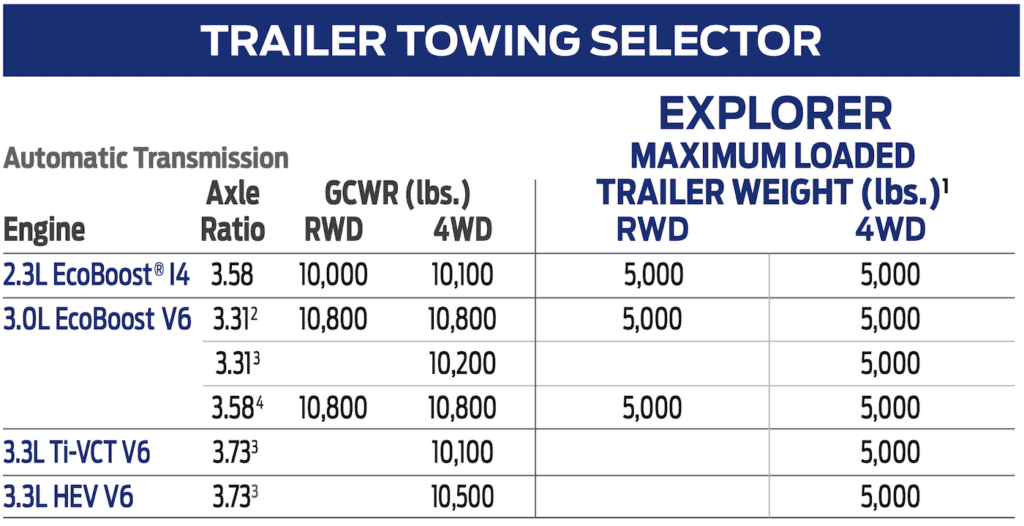
The 2025 Ford Explorer is engineered for versatility, offering both strong towing and payload capacities to meet a variety of needs. With a maximum towing capacity of up to 5,000 pounds across all engine configurations and a payload capacity ranging from approximately 1,500 to 1,700 pounds (est.), the Explorer delivers the power and stability required for hauling cargo, trailers, and more.
The 2.3L EcoBoost® I4 engine is a well-balanced option, offering a towing capacity of 5,000 pounds and an estimated payload capacity of 1,500 to 1,700 pounds. This engine comes with a 3.58 axle ratio and is available in both rear-wheel drive (RWD) and four-wheel drive (4WD) configurations. The Gross Combined Weight Rating (GCWR) for this engine is 10,000 pounds in RWD and 10,100 pounds in 4WD, ensuring it can handle a full load with confidence.
For those seeking a performance boost, the 3.0L EcoBoost® V6 engine provides the same 5,000-pound towing capacity, paired with an estimated payload capacity of 1,500 to 1,700 pounds. This engine is available with either a 3.31 or 3.58 axle ratio and can be configured with RWD or 4WD. Its GCWR is 10,800 pounds across both drivetrain options, making it a strong contender for those who require more power while maintaining fuel efficiency.
The 3.3L Ti-VCT V6 engine, available exclusively in 4WD, is designed for drivers looking for traditional V6 reliability. Like the other engines in the lineup, it boasts a 5,000-pound towing capacity and an estimated payload range of 1,500 to 1,700 pounds. Paired with a 3.73 axle ratio, this configuration delivers solid performance while maintaining a GCWR of 10,100 pounds.
For those interested in fuel efficiency without sacrificing capability, the 3.3L HEV V6 Hybrid engine is another 4WD-exclusive option. It offers the same 5,000-pound towing capacity and an estimated payload range of 1,500 to 1,700 pounds. Like the standard 3.3L V6, it features a 3.73 axle ratio, but it comes with a slightly higher GCWR of 10,500 pounds, allowing for a well-balanced mix of power and efficiency.
The Explorer’s balanced mix of power, efficiency, and advanced towing features makes it an ideal choice for drivers who need both daily versatility and dependable hauling capability. Whether towing a trailer, carrying gear, or loading up passengers and cargo, the Explorer ensures stability, power, and confidence on the road.
For those who demand an SUV with strong towing, solid payload capacity, and a proven track record, the 2025 Ford Explorer remains a top contender.
To achieve the full towing capacity, the Class III Trailer Tow Package is required. This package includes:
Exceeding the specified towing capacities or towing without the recommended equipment can impact vehicle performance and safety. Some states also require electric trailer brakes for trailers above a certain weight, so it’s important to check local regulations before towing.
The 2025 Ford Explorer combines power, efficiency, and technology, making it a well-rounded option for towing boats, trailers, or recreational vehicles. With the right equipment, it delivers reliable performance for any adventure.
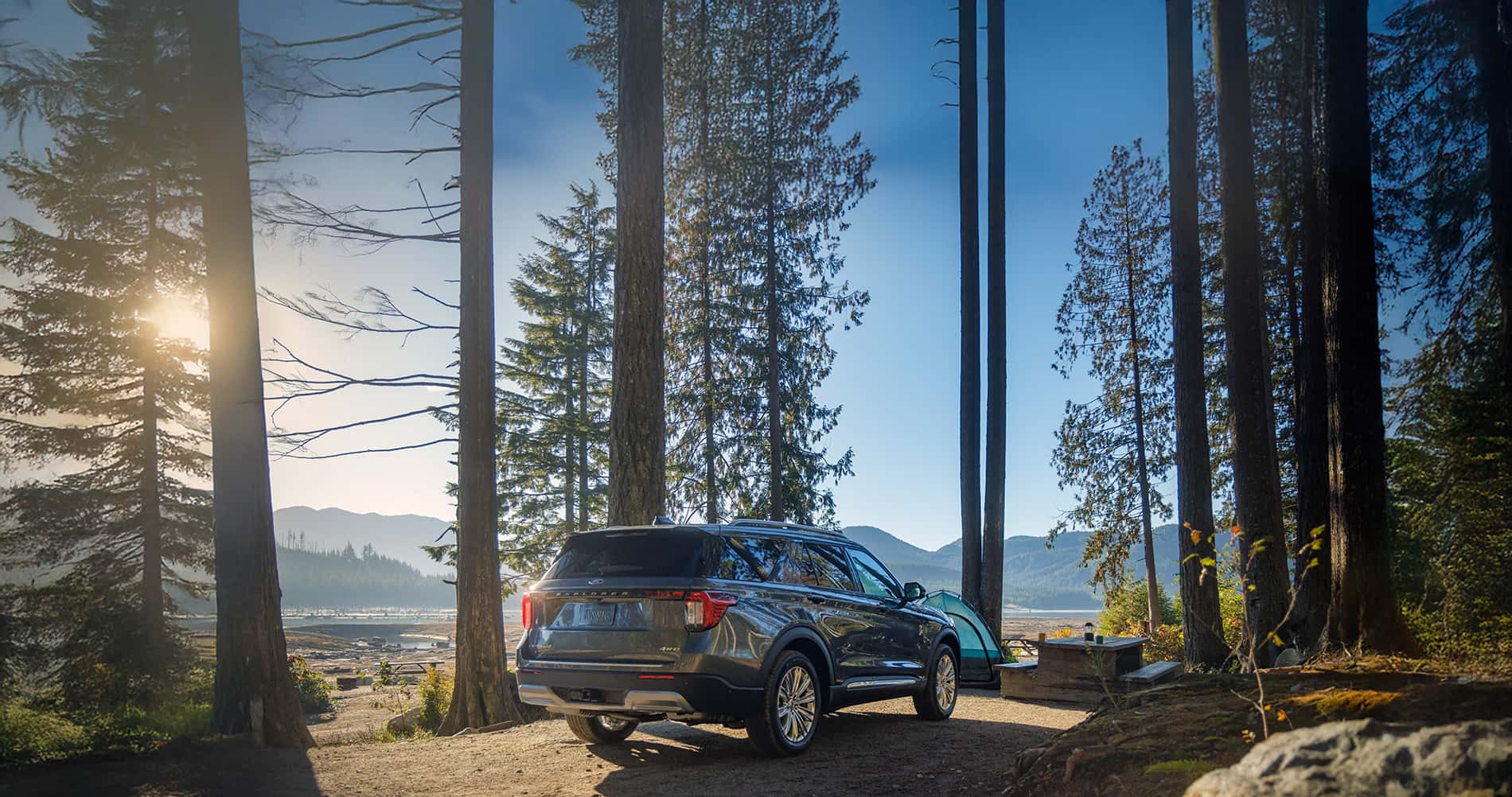
Towing a trailer places unique demands on your vehicle, your driving skills, and your overall trip preparation. Understanding proper towing techniques and best practices will ensure a safer and more enjoyable experience. Below, we outline key considerations for towing with the 2025 Ford Explorer.
Proper weight distribution is crucial for safe towing. To optimize handling and braking:
Before hitting the road, take time to familiarize yourself with how your vehicle and trailer handle:
Reversing with a trailer can be challenging. To maintain control:
Towing increases stopping distances, so it’s essential to plan accordingly:
When making turns:
Steep inclines require special attention:
Parking on a slope with a trailer requires extra precautions:
When ready to move again:
The added weight of a trailer significantly affects acceleration:
When towing in hilly areas, automatic transmissions may shift excessively:
Avoid using cruise control in heavy loads, hilly terrain, or wet conditions:
Proper tire inflation ensures stability and control:
For towing, always have a full-size spare tire that matches the road tires.
After driving about 50 miles with a trailer, pull over in a safe area and inspect:
Vehicle performance can be reduced at high elevations:
Aerodynamic drag and weight significantly affect towing performance:
The Ford Explorer offers various trim levels with different weight ratings:
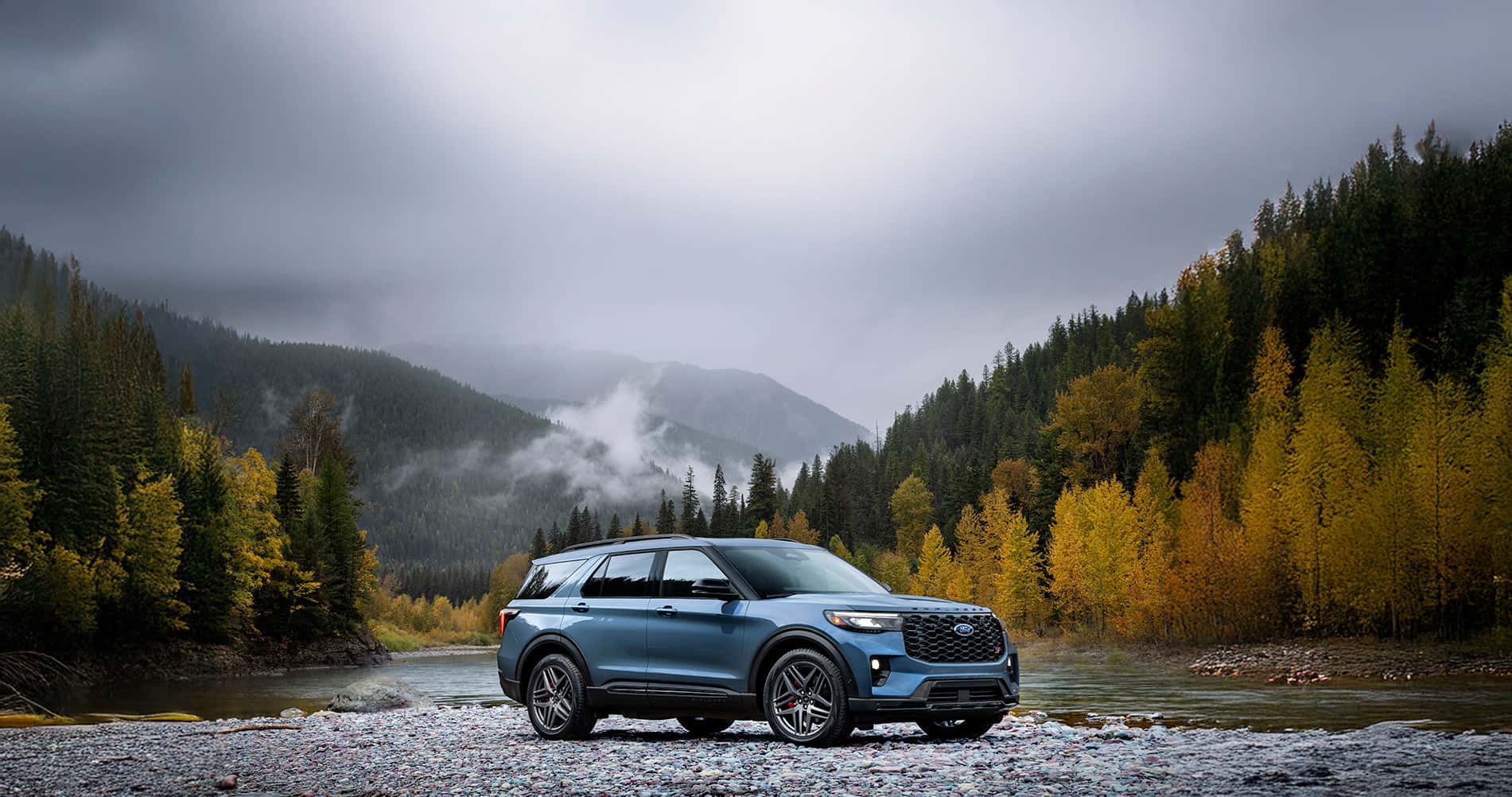
The 2025 Ford Explorer is built for those who need a capable and versatile SUV that can handle both everyday driving and heavy-duty hauling. With a maximum towing capacity of 5,000 pounds and a payload capacity of up to 1,700 pounds, it’s designed to take on real-world challenges with ease. Whether you’re towing a camper for a weekend getaway, hauling gear for an outdoor adventure, or transporting heavy loads for a home project, the Explorer delivers the power, stability, and confidence you need to get the job done.
The Weekend Adventurer – Perfect for towing a camper or boat, the Explorer’s 5,000-pound towing capacity makes weekend getaways effortless.
The Family Road-Tripper – With up to 1,700 pounds of payload capacity, you can pack luggage, bikes, and gear while still having room for the whole family.
The Outdoor Enthusiast – Whether hauling ATVs or a small utility trailer, the Explorer provides stability and power for off-road adventures.
The DIY Homeowner – Need to transport lumber, landscaping materials, or heavy tools? The Explorer’s robust payload and towing capability make home improvement projects easier than ever.
In conclusion, the 2025 Ford Explorer stands out as a versatile SUV, adept at balancing daily driving comfort with robust towing and payload capabilities. Its maximum towing capacity of up to 5,000 pounds, coupled with a payload capacity ranging from approximately 1,500 to 1,700 pounds, ensures that drivers can confidently tackle a variety of hauling needs—from family vacations with trailers to transporting equipment for work or recreation. This blend of performance and practicality makes the 2025 Ford Explorer a compelling choice for those seeking reliability and strength in their vehicle.
Looking for a versatile, capable, and adventure-ready SUV? The 2025 Ford Explorer is built to handle it all, and you can find yours today at J.C. Lewis Ford in Savannah, GA! As your trusted Ford dealership, we take pride in offering a wide selection of new and pre-owned Ford vehicles, competitive pricing, and a top-tier customer experience.
Whether you’re drawn to the Explorer’s 5,000-pound towing capacity, spacious interior, or advanced technology, this SUV is designed to fit your active lifestyle. If you need even more capability, explore our lineup of Ford F-150 trucks, the performance-driven Mustang, or the heavy-duty power of the Ford Super Duty.
Interested in a pre-owned Explorer or another Ford model? Our inventory is stocked with high-quality, thoroughly inspected vehicles, ensuring reliability and peace of mind. Plus, with flexible financing, trade-in assistance, and exclusive dealership incentives, getting behind the wheel of your dream Ford has never been easier.
At J.C. Lewis Ford, our commitment doesn’t end after the sale. Our certified Ford technicians and state-of-the-art service center are here to keep your Explorer, F-150, Mustang, or Super Duty running at peak performance for years to come.
Visit us today at J.C. Lewis Ford in Savannah, GA, or browse our Explorer inventory online. Have a trade-in? Value your trade here and upgrade to a new Ford with ease!
📍 J.C. Lewis Ford Savannah
📞 Contact Us
Experience the J.C. Lewis Ford difference—where quality, service, and selection come together! 🚗💨