
When you’re shopping for a heavy-duty truck, numbers matter — but understanding what those numbers mean matters even more. The 2026 F-250 is built for serious work, and its towing capacity is one of the biggest reasons drivers continue to rely on it. Whether you’re hauling equipment across Savannah, towing a large boat toward Hilton Head, or pulling a camper out of Bluffton for the weekend, choosing the right configuration makes all the difference.
In this guide from J.C. Lewis Ford of Savannah, we break down the full Ford F-250 towing capacity chart in a way that’s easy to understand. You’ll find conventional towing ratings, 5th-wheel and gooseneck capacities, payload figures, tongue weight limits, and engine-by-engine comparisons. We’ll also explain how cab size, bed length, and engine choice affect your overall Ford F-250 tow rating in real-world situations.
By the end, you’ll have a clear understanding of which F-250 setup fits your workload and lifestyle.
| F-250 Super Duty Towing Capacities by Engine | |||
|---|---|---|---|
| Engine | Max Conventional Tow | Max 5th‑Wheel Tow | Max Gooseneck Tow |
| 6.7L Power Stroke® V8 Turbo Diesel | 20,000 lbs | 22,300 lbs | 22,900 lbs |
| 6.7L High‑Output Power Stroke® V8 Turbo Diesel | 20,000 lbs | 22,300 lbs | 23,000 lbs |
| 6.8L V8 Gas | 17,300 lbs | 17,100 lbs | 17,300 lbs |
| 7.3L V8 Gas | 18,200 lbs | 18,200 lbs | 18,200 lbs |
If you want the clearest breakdown of Ford F-250 towing capacity, this engine-by-engine comparison makes the decision simple. The 6.7L Power Stroke® V8 Turbo Diesel delivers up to 20,000 pounds of conventional towing, 22,300 pounds for 5th-wheel, and 22,900 pounds for gooseneck setups. Step up to the High-Output version, and gooseneck capacity nudges slightly higher to 23,000 pounds — ideal for heavy commercial trailers or large RVs traveling between Savannah and Beaufort.
The gas engines still bring serious strength. The 7.3L V8 posts a consistent 18,200 pounds across all three towing styles. That kind of balance appeals to drivers in Bluffton who want strong capability without moving to diesel. Meanwhile, the 6.8L V8 offers up to 17,300 pounds, which comfortably covers many boats, campers, and utility trailers.
When reviewing a Ford F-250 towing capacity chart, the takeaway is straightforward: diesel maximizes peak pulling power, especially for 5th-wheel and gooseneck loads. The 7.3L gas engine delivers impressive all-around performance with fewer trade-offs. Choosing the right engine ultimately depends on how often — and how heavy — you plan to tow.
| F-250 Super Duty Conventional Towing Capacities | ||||
|---|---|---|---|---|
| Cab / Box | 6.7L Diesel | 6.7L HO Diesel | 6.8L Gas | 7.3L Gas |
| Regular Cab / 8′ | 20,000 | 20,000 | 17,300 | 18,200 |
| SuperCab / 6‑3/4′ | 20,000 | 20,000 | 14,500 | 18,200 |
| SuperCab / 8′ | 22,000 | 22,000 | 17,000 | 18,200 |
| Crew Cab / 6‑3/4′ | 22,000 | 22,000 | 16,600 | 18,200 |
| Crew Cab / 8′ | 22,000 | 22,000 | 16,800 | 18,200 |
For many buyers, conventional towing is the number that matters most. Whether you’re pulling a large boat, enclosed trailer, or work equipment, the 2026 Ford F-250 Super Duty delivers serious strength across the board.
The diesel-powered models lead again, reaching up to 22,000 pounds in several SuperCab and Crew Cab configurations. That’s substantial Ford F-250 tow capacity for drivers in Savannah who regularly haul heavy trailers without stepping up to a 5th-wheel setup. Even the Regular Cab still delivers a strong 20,000-pound rating, which easily covers most commercial and recreational needs.
Gas engines remain highly capable. The 7.3L V8 consistently posts an 18,200-pound Ford F-250 tow rating across nearly every configuration — a dependable, no-surprises number that works well for contractors in Bluffton or families towing large campers toward Hilton Head. The 6.8L gas engine ranges from the mid-14,000s to over 17,000 pounds, making it a practical option for lighter but still demanding jobs.
If you’ve been scanning a Ford F-250 towing capacity chart, the key difference comes down to diesel versus gas. Diesel maximizes pulling power for the heaviest loads, while the 7.3L gas offers strong, balanced capability that fits most real-world towing situations without added complexity.
| F-250 Super Duty SRW 5th‑Wheel & Gooseneck Towing Capacities | ||||
|---|---|---|---|---|
| Cab / Box | 6.7L Diesel | 6.7L HO Diesel | 6.8L Gas | 7.3L Gas |
| Regular Cab / 8′ | 22,300 / 22,900 | 22,300 / 23,000 | 17,100 / 17,300 | 18,200 / 18,200 |
| SuperCab / 6‑3/4′ | 20,900 / 21,900 | 20,900 / 21,900 | 14,300 / 14,500 | 18,200 / 18,200 |
| SuperCab / 8′ | 20,900 / 21,900 | 20,900 / 21,900 | 16,700 / 16,900 | 18,200 / 18,200 |
| Crew Cab / 6‑3/4′ | 20,500 / 21,500 | 20,500 / 21,500 | 16,400 / 16,600 | 18,200 / 18,200 |
| Crew Cab / 8′ | 20,400 / 21,500 | 20,800 / 20,800 | 16,100 / 16,200 | 18,100 / 18,100 |
If you’re stepping up to a 5th-wheel camper or a gooseneck equipment trailer, this is where the 2026 Ford F-250 Super Duty really separates itself. The diesel-powered models clearly lead the pack, topping out at 22,900–23,000 pounds in the Regular Cab 8-foot configuration. That kind of Ford F-250 towing capacity opens the door to large RVs, horse trailers, and serious commercial loads without moving up to a dually.
The 6.7L High-Output Power Stroke V8 Turbo Diesel squeezes out a slight edge in certain configurations, but both diesel options consistently stay above 20,000 pounds across most cab and bed combinations. For drivers in Savannah hauling heavy machinery or towing a large 5th-wheel toward Hilton Head, that margin matters.
Gas engines still offer strong capability, ranging from the mid-14,000s to just over 18,000 pounds. The 7.3L V8 delivers impressive consistency at 18,200 pounds in most setups — a practical choice for buyers in Bluffton who want serious towing strength without committing to diesel.
If you’ve been reviewing a Ford F-250 towing capacity chart, the takeaway is simple: diesel maximizes heavy 5th-wheel and gooseneck strength, while gas engines provide more than enough muscle for most recreational and light commercial needs. It all comes down to how heavy — and how often — you plan to tow.
| F-250 Super Duty Payload Capacities | ||||
|---|---|---|---|---|
| Cab / Box | 6.7L Diesel | 6.7L HO Diesel | 6.8L Gas | 7.3L Gas |
| Regular Cab / 8′ | 3,334 | 3,334 | 3,794 | 4,302 |
| SuperCab / 6‑3/4′ | 3,446 | 3,446 | 3,674 | 4,062 |
| SuperCab / 8′ | 3,576 | 3,576 | 3,794 | 4,302 |
| Crew Cab / 6‑3/4′ | 3,446 | 3,446 | 3,674 | 4,062 |
| Crew Cab / 8′ | 3,576 | 3,576 | 3,794 | 4,302 |
Payload is where the 2026 Ford F-250 Super Duty really proves it’s more than just a tow rig. While many shoppers focus on Ford F-250 tow capacity, payload is what determines how much weight you can actually carry in the bed — tools, lumber, pallets, generators, or a truck camper.
Looking at the numbers, the 7.3L V8 stands out with a maximum payload of 4,302 pounds in several configurations. That’s a serious advantage for contractors in Savannah hauling jobsite materials daily. The 6.8L V8 is close behind, topping out at 3,794 pounds. If you’re regularly loading heavy equipment in Bluffton or transporting building supplies toward Beaufort, that difference could mean one less trip.
The diesel options, including the 6.7L High-Output Power Stroke V8 Turbo Diesel, offer slightly lower payload figures — generally in the mid-3,000-pound range. That’s not a weakness; it reflects the heavier engine weight. Many diesel buyers prioritize torque and overall Ford F-250 tow rating strength for large trailers rather than maxing out bed capacity.
In real-world terms, choosing the right F-250 comes down to how you use it. If your priority is carrying weight in the bed every day, the gas engines deliver impressive capability. If you’re pairing strong payload with serious towing performance, the diesel models offer a balanced, heavy-duty solution.
| 2026 Ford F‑250 Tongue Weight Ratings | ||
|---|---|---|
| Hitch Type | Max Trailer Capacity (lbs) | Max Tongue Load (lbs) |
| Weight-Carrying | 22,000 | 2,200 |
| Weight-Distributing | 22,000 | 2,200 |
When you look at the 2026 Ford F-250’s tongue weight ratings, the big takeaway is stability. Both weight-carrying and weight-distributing hitches are rated for up to 22,000 pounds of trailer capacity and 2,200 pounds of tongue load. That kind of consistency makes choosing the right setup simpler for everyday truck owners.
In practical terms, tongue weight is what keeps your trailer planted and tracking straight. Too little weight can cause sway. Too much can overload your suspension. With a 2,200-pound tongue rating, the Ford F-250 tow capacity isn’t just about pulling power — it’s about control and confidence. Whether you’re hauling a large boat toward Hilton Head or towing heavy equipment across Savannah job sites, that balance matters.
If you’ve been searching for a Ford F-250 towing capacity chart, this section shows how serious the F-250 is about handling heavy loads safely. The equal ratings between hitch types also mean flexibility for drivers in Bluffton or Beaufort who may switch between recreational and work trailers throughout the year.
Ultimately, the 2026 Ford F-250 Super Duty’s strong tongue weight rating reinforces what buyers expect: serious muscle paired with everyday drivability and dependable towing performance.
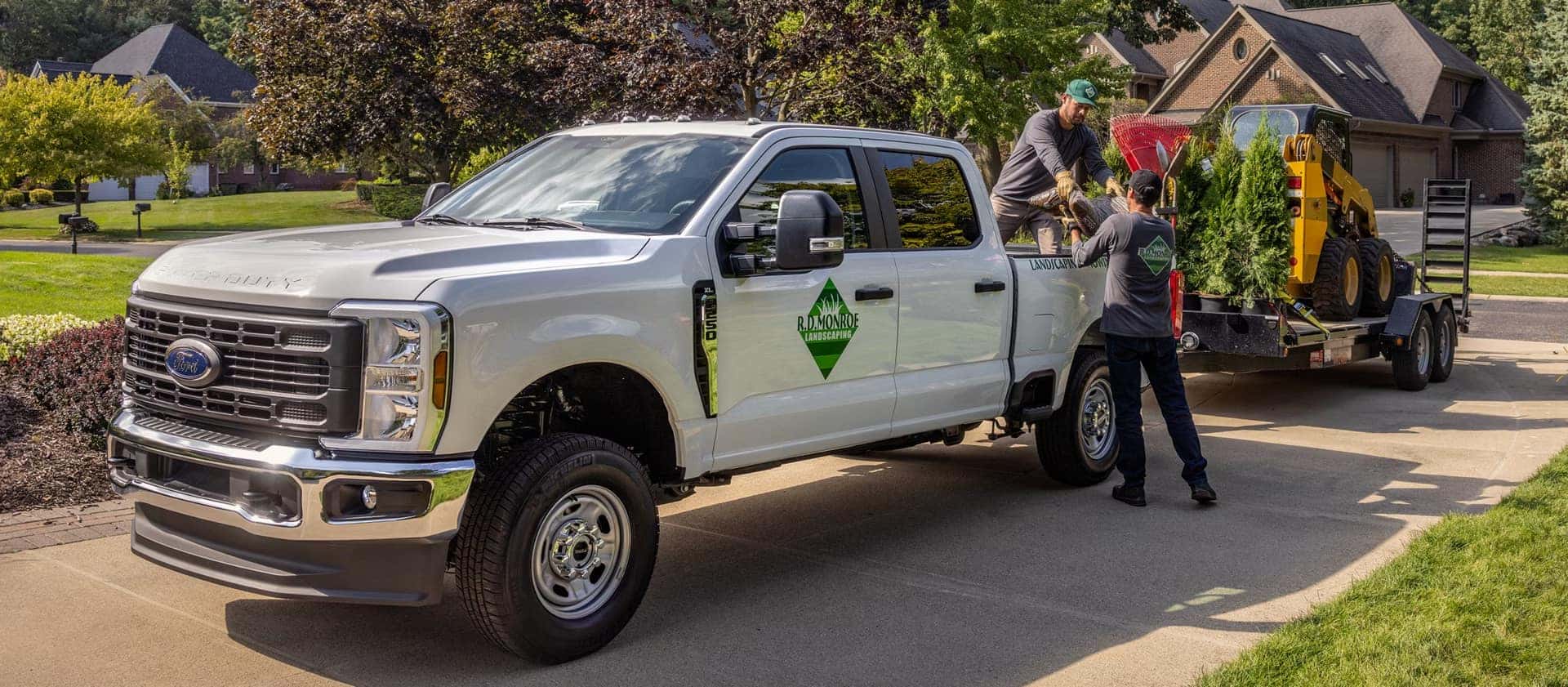
When you step back and look at the full Ford F-250 towing capacity breakdown, one thing becomes clear: this truck is built to adapt. From conventional towing and 5th-wheel strength to payload and tongue weight ratings, every configuration serves a specific purpose. The key isn’t just knowing the numbers — it’s understanding how those numbers match your daily demands.
If you regularly tow heavy equipment, large campers, or commercial trailers, the diesel engine options maximize overall Ford F-250 tow rating strength and long-haul confidence. If you need strong, consistent performance for work and weekend towing alike, the 7.3L V8 gas engine offers impressive balance. And for drivers who prioritize payload for tools and materials, certain cab and engine combinations deliver serious bed capacity without sacrificing stability.
For many truck buyers around Savannah, the decision comes down to how the truck will actually be used day to day — not just what it can tow on paper. That’s where real-world insight matters.
At J.C. Lewis Ford of Savannah, we help you compare the Ford F-250 towing capacity chart in detail so you can select a Super Duty configuration that fits your workload with confidence.
At J.C. Lewis Ford of Savannah, we understand that shopping for a heavy-duty truck isn’t just about picking a trim level — it’s about matching real capability to real work. When customers visit us to compare Ford F-250 towing capacity options, they’re often balancing jobsite demands, recreational towing, and everyday drivability. Our goal is to make that decision clear and confident.
We take the time to walk you through the Ford F-250 towing capacity chart, explain the difference between diesel and gas engines, and help you understand how cab size, bed length, and payload ratings affect your overall Ford F-250 tow rating. Whether you’re towing heavy equipment around Savannah, hauling materials in Bluffton, or heading toward Hilton Head with a large camper, we’ll help you find a Super Duty configuration that fits your needs.
Our team is local, experienced, and focused on straightforward guidance — no guesswork, no pressure. We know the demands drivers face across coastal Georgia and the Lowcountry, and we’re here to ensure your truck is equipped to handle them.
If you’re ready to compare Ford F-250 towing capability in person, J.C. Lewis Ford of Savannah is here to help you choose with confidence.
DISCLAIMERS:
*MSRP does not include destination and handling, taxes, title, license, or dealer fees. Actual dealer pricing may vary.
*Towing capacity shown is maximum when properly equipped. Towing ratings vary based on engine, cab configuration, drivetrain, hitch equipment, cargo, and passenger weight.
*Payload capacity is the maximum allowable weight of cargo and passengers combined and varies by vehicle configuration and equipment.
*Tongue weight ratings are maximum values when properly equipped. Exceeding recommended limits may affect vehicle handling and safety.
*EPA-estimated fuel economy ratings apply only where specified. Actual mileage will vary based on driving conditions, vehicle maintenance, and driving habits.
*Vehicle specifications, features, and availability are subject to change without notice.