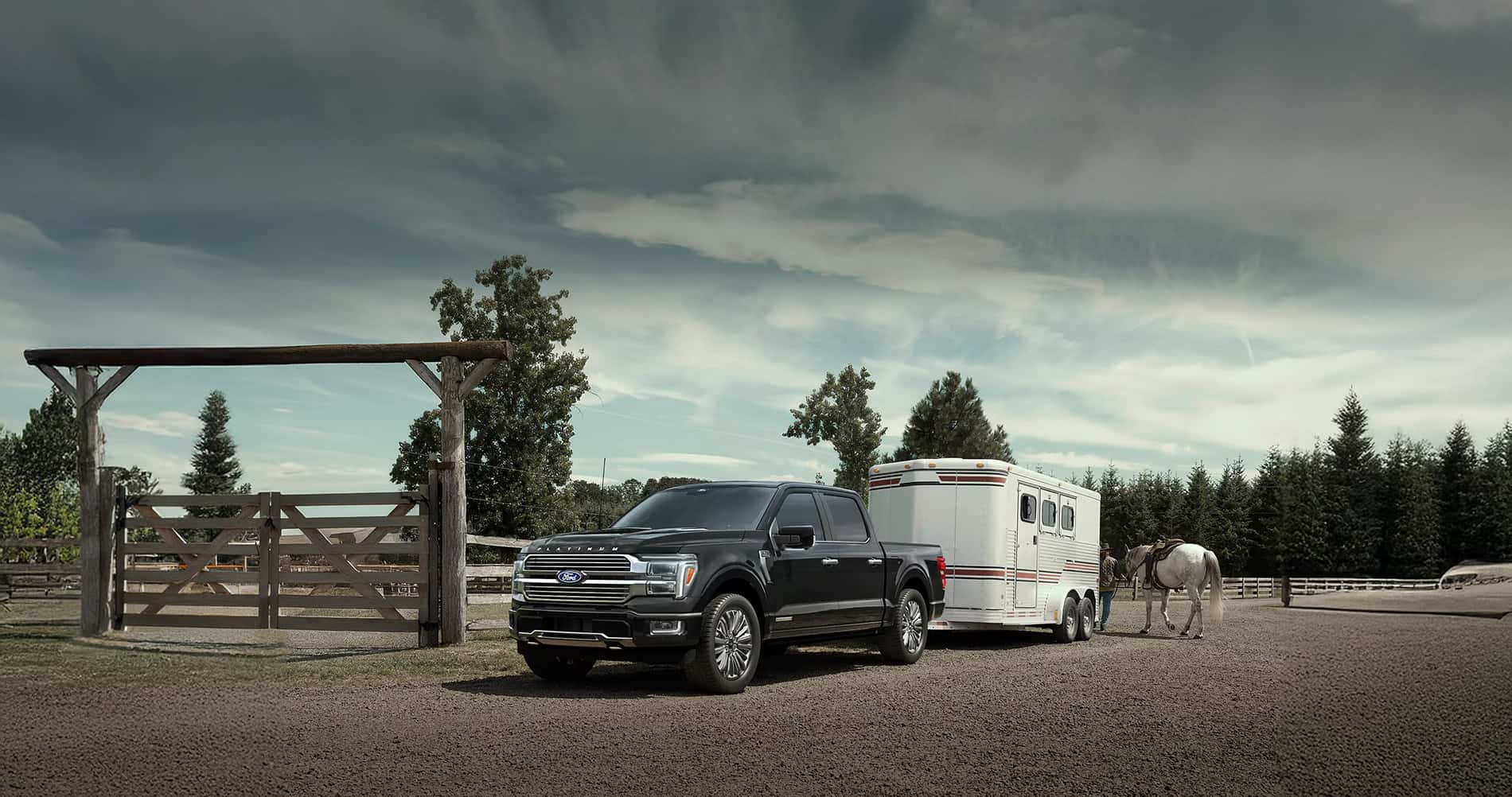
The 2026 Ford F‑150 sets the benchmark for capability in the full‑size pickup segment, offering a wide range of configurations to meet the diverse needs of truck buyers. From light‑duty daily drivers to max‑tow champions and off‑road specialists, the F‑150 lineup delivers strength, efficiency, and versatility. Understanding the Ford F‑150 towing capacity and Ford F‑150 payload capacity across trims is essential for buyers in Savannah, Bluffton, Beaufort, Hilton Head, and Hardeeville who rely on their trucks for both work and recreation.
With engines ranging from the efficient 2.7L EcoBoost V6 to the powerhouse 3.5L EcoBoost and the classic 5.0L V8, plus drivetrain options in 4×2 and 4×4, the F‑150 provides tailored solutions for hauling boats, campers, construction materials, or off‑road gear. This article breaks down the maximum ratings by trim—XL, XLT, Lariat, King Ranch, Platinum, Tremor, and Raptor—while analyzing how each configuration balances towing strength with payload practicality.
By examining the data, buyers can see how the Ford F‑150 towing capacity reaches up to 13,500 lbs when properly equipped, while the Ford F‑150 payload capacity tops out at 2,440 lbs in select builds. These figures highlight the flexibility of the F‑150, ensuring that whether you need maximum hauling for commercial work or balanced capability for weekend adventures, there’s a trim designed to fit your lifestyle.
| Engine | Drivetrain | Max Towing (lbs)* | Max Payload (lbs)* | Notes |
|---|---|---|---|---|
| 2.7L EcoBoost V6 | 4×2 | 8,400 | 1,775 | Best for light towing; efficient daily driver |
| 2.7L EcoBoost V6 | 4×4 | 8,200 | 1,650 | Lower payload due to added drivetrain weight |
| 3.5L EcoBoost V6 | 4×2 | 13,500 | 2,440 | Max tow champion; requires Max Trailer Tow Package |
| 3.5L EcoBoost V6 | 4×4 | 13,200 | 2,200 | Still class-leading; slightly reduced vs 4×2 |
| 3.5L PowerBoost Hybrid V6 | 4×2 | 11,600 | 1,740 | Hybrid efficiency; strong torque |
| 3.5L PowerBoost Hybrid V6 | 4×4 | 11,200 | 1,650 | Payload reduced by hybrid hardware + 4×4 |
| 5.0L Ti-VCT V8 | 4×2 | 12,900 | 2,225 | Strong balance of towing and payload |
| 5.0L Ti-VCT V8 | 4×4 | 12,700 | 2,050 | Classic V8 feel; slightly reduced ratings |
| 3.5L HO EcoBoost V6 (Raptor) | 4×4 | 8,200 | 1,405 | Raptor only; off-road suspension reduces ratings |
| 5.2L Supercharged V8 (Raptor R) | 4×4 | 8,700 | 1,410 | Raptor R only; performance focus limits payload |
The 2026 Ford F‑150 towing capacity chart illustrates how engine choice and drivetrain configuration directly impact real‑world performance.
At the top of the lineup, the 3.5L EcoBoost V6 in a 4×2 configuration delivers a class‑leading Ford F‑150 towing capacity of 13,500 lbs, paired with a payload rating of 2,440 lbs. This makes it the strongest option for buyers who regularly haul heavy campers, boats, or jobsite trailers. Even in 4×4 form, the same engine maintains impressive numbers—13,200 lbs towing and 2,200 lbs payload—providing confidence for those who need traction in wet or uneven terrain without sacrificing much capacity.
The 5.0L Ti‑VCT V8 appeals to traditional truck owners who value the feel of a naturally aspirated engine. With 12,900 lbs towing and 2,225 lbs payload in 4×2, it balances strong hauling with respectable payload, ideal for contractors or landscapers who load tools, lumber, or materials daily. The 4×4 version dips slightly to 12,700 lbs and 2,050 lbs, but still provides robust capability with added off‑road assurance.
For buyers focused on efficiency, the 3.5L PowerBoost Hybrid V6 offers 11,600 lbs towing and 1,740 lbs payload in 4×2, with slightly lower figures in 4×4. While payload is reduced due to hybrid hardware, the combination of torque and fuel economy makes it attractive for mixed use—commuting during the week and towing boats or campers on weekends.
At the entry level, the 2.7L EcoBoost V6 provides 8,400 lbs towing and 1,775 lbs payload in 4×2, sufficient for light trailers, small boats, or utility loads. It’s a practical choice for buyers who prioritize efficiency and affordability over maximum Ford F‑150 towing capacity.
Specialty trims like the Raptor and Raptor R emphasize off‑road performance, with towing ratings around 8,200–8,700 lbs and payloads near 1,400 lbs. These figures reflect the tradeoff of heavy‑duty suspension and oversized tires, underscoring that these models are lifestyle trucks rather than maximum‑capacity haulers.
Overall, the data shows that Ford F‑150 towing capacity and payload ratings vary widely across trims. Buyers in Savannah, Bluffton, Beaufort, Hilton Head, and Hardeeville should match their choice to real‑world needs—whether that’s heavy towing for commercial work, balanced payload for contractors, or versatile efficiency for recreational use.
| Trim Level | Core Engine | Max Towing (lbs)* | Max Payload (lbs)* | Notes |
|---|---|---|---|---|
| XL | 2.7L EcoBoost V6 | 8,400 | 1,775 | Entry-level; efficient light towing |
| STX / XLT | 3.5L EcoBoost V6 | 13,500 | 2,440 | Max tow champion; requires Max Trailer Tow Package |
| Lariat | 5.0L Ti-VCT V8 | 12,900 | 2,225 | Strong balance of towing and payload |
| King Ranch / Platinum | 3.5L EcoBoost V6 or 5.0L V8 | Up to 13,500 | Up to 2,440 | Luxury trims; capability varies by build |
| Tremor | 3.5L EcoBoost V6 | 10,900 | 1,885 | Off-road suspension reduces ratings vs. max tow builds |
| Raptor | 3.5L HO EcoBoost V6 | 8,200 | 1,405 | Performance off-road; reduced tow/payload |
| Raptor R | 5.2L Supercharged V8 | 8,700 | 1,410 | Performance focus; payload limited |
The 2026 Ford F‑150 lineup demonstrates how trim level, engine, and drivetrain shape both towing capacity and payload, giving buyers a wide range of options depending on their priorities.
At the entry level, the XL trim with the 2.7L EcoBoost V6 offers 8,400 lbs of towing and 1,775 lbs of payload in 4×2 form. This makes it a practical choice for light duty use—small trailers, utility loads, or landscaping equipment—while still delivering efficiency for daily driving.
The STX and XLT trims unlock the 3.5L EcoBoost V6, which provides the highest Ford F‑150 towing capacity in the lineup. With up to 13,500 lbs towing and 2,440 lbs payload in 4×2 configurations equipped with the Max Trailer Tow Package, this engine is the clear champion for buyers who regularly haul heavy campers, boats, or enclosed trailers. Even in 4×4 form, the EcoBoost remains class‑leading at 13,200 lbs towing and 2,200 lbs payload, offering confidence for those who need traction in wet or uneven terrain.
The Lariat trim highlights the 5.0L Ti‑VCT V8, appealing to traditional truck owners who value the feel of a naturally aspirated engine. With 12,900 lbs towing and 2,225 lbs payload in 4×2, it balances strong hauling with robust payload, making it ideal for contractors or tradespeople who load tools and materials daily.
King Ranch and Platinum trims combine luxury with capability, offering similar ratings to the EcoBoost and V8 while adding premium interiors for long hauls.
The Tremor trim, designed for off‑road versatility, posts 10,900 lbs towing and 1,885 lbs payload. While lower than max‑tow builds, these figures still provide meaningful capacity for buyers who split time between rugged terrain and moderate hauling.
Finally, the Raptor and Raptor R trims emphasize performance and off‑road dominance. Their towing ratings (8,200–8,700 lbs) and payloads (~1,400 lbs) reflect the tradeoff of heavy‑duty suspension and oversized tires. These models are lifestyle trucks, built for enthusiasts who value capability in sand, mud, and trails over maximum hauling.
Overall, the chart shows that Ford F‑150 towing capacity and payload vary widely across trims. Buyers in Savannah, Bluffton, Beaufort, Hilton Head, and Hardeeville should match their trim to real‑world needs—whether that’s heavy towing for commercial work, balanced payload for contractors, or versatile efficiency for recreational use.
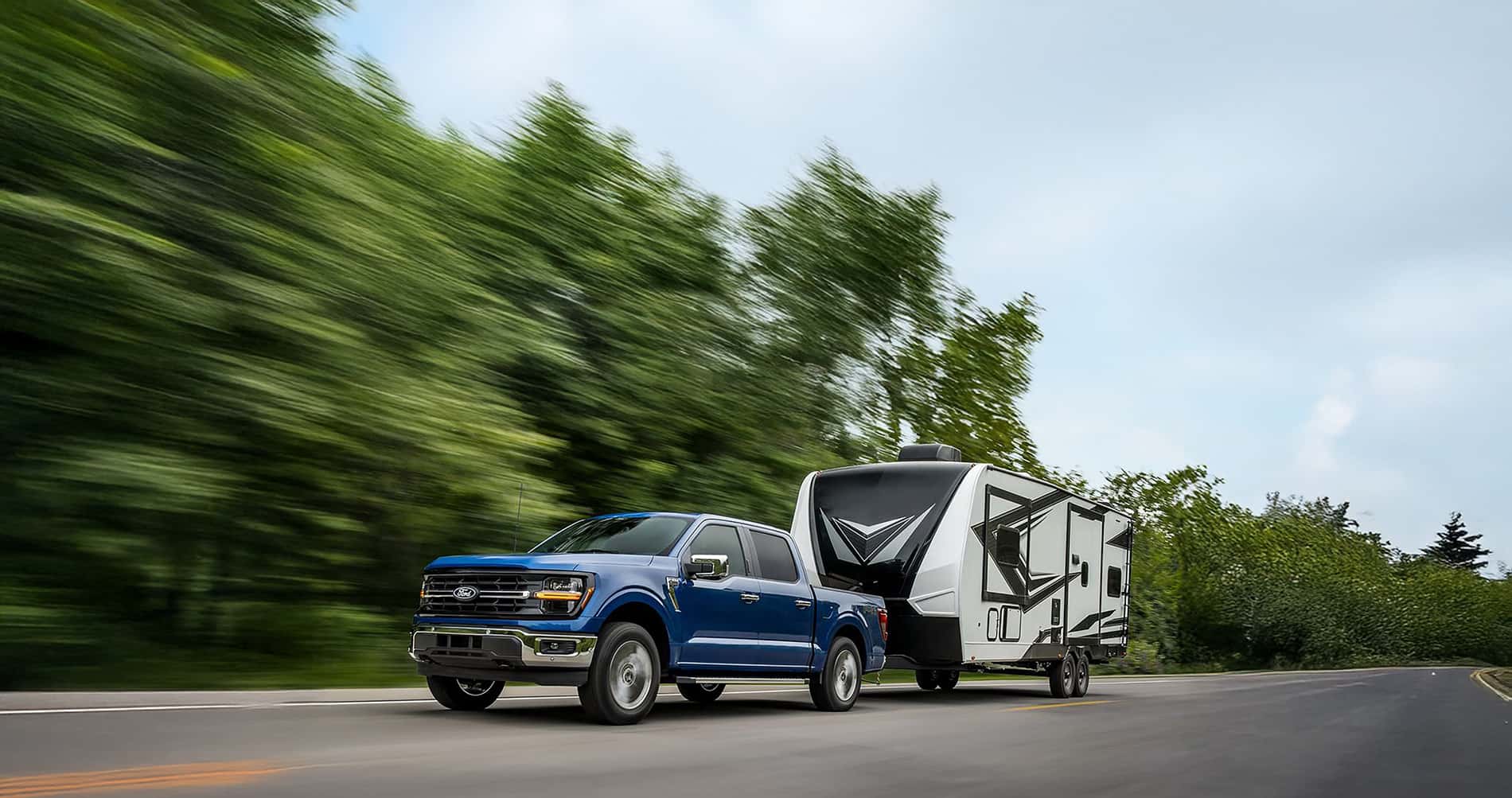
The 2026 Ford F‑150 proves once again why it remains the benchmark in the full‑size pickup segment. By offering a wide range of engines, drivetrains, and trims, Ford ensures that buyers can find a truck tailored to their specific needs. The data shows that Ford F‑150 towing capacity peaks at 13,500 lbs with the 3.5L EcoBoost V6, while the Ford F‑150 payload capacity reaches up to 2,440 lbs in properly equipped 4×2 configurations. At the same time, trims like Tremor, Raptor, and Raptor R highlight how specialized off‑road hardware trades maximum ratings for unique performance advantages.
For buyers in Savannah, Bluffton, Beaufort, Hilton Head, and Hardeeville, these numbers translate into real‑world confidence—whether hauling heavy trailers for work, towing boats for weekend recreation, or balancing payload with efficiency on daily commutes. The F‑150’s versatility means that every trim, from XL to Platinum, offers a distinct blend of capability and lifestyle fit.
Ultimately, the 2026 F‑150 demonstrates that towing and payload aren’t just specs on paper—they’re practical measures of how well a truck can support the demands of local drivers. By matching the right trim and configuration to your needs, you can maximize both performance and value, ensuring your F‑150 is ready for whatever the Lowcountry roads and coastal adventures demand.
Both trims emphasize off-road performance, trading maximum ratings for specialized suspension and oversized tires.
When it comes to finding the right truck with the perfect balance of Ford F‑150 towing capacity and Ford F‑150 payload capacity, trust the team at J.C. Lewis Ford of Savannah. Serving drivers across Savannah, Bluffton, Beaufort, Hilton Head, Hardeeville, and the surrounding Lowcountry, J.C. Lewis Ford has been the region’s go‑to dealership for generations.
Whether you’re shopping for a work‑ready XL, a max‑tow XLT, a luxury Platinum, or an off‑road Tremor or Raptor, their knowledgeable staff can walk you through every configuration and help you match the right engine, drivetrain, and package to your real‑world needs. With a commitment to accuracy, transparency, and customer care, J.C. Lewis Ford ensures you drive away confident that your truck is built for the jobs and adventures ahead.
Stop by today to explore the full lineup of 2026 Ford F‑150 models, compare trims side‑by‑side, and experience firsthand why J.C. Lewis Ford is the trusted name for trucks in the Lowcountry.
Towing and payload ratings are maximum values and apply only when properly equipped. Ratings vary by vehicle configuration, including engine, axle ratio, drivetrain, cab/bed, and installed options or accessories. Your vehicle’s specific ratings may be different.
Payload includes the weight of occupants, cargo, aftermarket equipment, and trailer tongue/pin weight. Tongue weight (conventional) is typically 10–15% of trailer weight; pin weight (fifth‑wheel/gooseneck) is typically 15–25% of trailer weight and counts against payload.
Do not exceed the vehicle’s GVWR (Gross Vehicle Weight Rating), GAWR (Gross Axle Weight Rating), or GCWR (Gross Combined Weight Rating). The lowest‑rated component (vehicle, hitch, or accessory) determines the allowable limit.
Use an appropriate hitch and trailer brakes. A weight‑distributing hitch may be required above certain trailer weights—see the Owner’s Manual and Towing Guide. Trailer Sway Control aids stability but does not replace safe driving practices.
Real‑world performance is affected by altitude, grade, temperature, wind, terrain, road conditions, and vehicle condition. Always verify your exact ratings on the driver door‑jamb label, and consult the Owner’s Manual and the official Ford Towing Guide for detailed requirements and limitations.
Ford reserves the right to change specifications, equipment, and ratings at any time without notice.