


Ford Service & Visibility Guide
Why Is My Windshield Fogging Up Inside?
A foggy windshield isn’t always a sign that something is wrong. But when it keeps coming back, there’s a reason worth finding.
Savannah’s humidity, rainy weather, and air-conditioned cabins create ideal conditions for windshield condensation. We’ll show you how to clear the fog quickly, keep excess moisture out of your Ford, and identify the warning signs that call for professional service.

Quick Answer: Why Does My Windshield Fog Up Inside?
Your windshield fogs up when moisture in the cabin air condenses on cooler glass. Turn on the front defroster, use fresh-air mode, and let the A/C remove humidity when available. If the fog keeps returning, check for wet carpeting, restricted airflow, or a climate-control problem.
Start Here
How to Defog Your Windshield in Four Steps
The right combination of airflow, temperature, and humidity control clears interior condensation. Start with your Ford’s windshield defrost setting.
Turn On Front Defrost
Select the windshield defrost setting or Max Defrost if equipped. This directs air toward the glass. Max Defrost typically increases airflow and automatically adjusts other climate settings.
Switch to Fresh Air
Turn off cabin-air recirculation when the system permits it. Bringing in outside air reduces the buildup of moisture from passengers and wet interiors. Some Ford defrost modes handle this automatically.
Use A/C to Remove Moisture
Air conditioning helps dry the air even when you’re using warm airflow. If your Ford controls A/C automatically during defrost, leave the system to manage it. Compressor operation varies with conditions.
Adjust the Fan and Temperature
Use sufficient fan speed and warm airflow to clear the glass. Once visibility returns, adjust the cabin temperature for comfort while keeping the windows clear.
Don’t Drive Until You Can See Clearly
If your windshield is heavily fogged, pull over safely and clear the glass before continuing. Wiping a small patch with your hand isn’t a reliable substitute for unobstructed visibility.
First, Make Sure the Fog Is Actually Inside
In humid coastal weather, condensation develops on either side of your windshield. Knowing which side is fogged changes how you address it.
Interior Condensation
Fog on the Inside of the Glass
Humid cabin air touches cooler glass and leaves tiny water droplets. Use front defrost, moisture-reducing A/C, and appropriate fresh-air settings to clear it.
Exterior Condensation
Fog on the Outside of the Glass
Cold A/C can chill your windshield enough for humid outdoor air to condense on its exterior. If the wipers clear the haze, adjust the airflow and glass temperature to reduce the condensation.
Understanding the Cause
Why Your Windshield Keeps Fogging Up
Occasional condensation is common. Persistent fogging is different. The symptoms below help distinguish everyday humidity from moisture buildup and problems that deserve an inspection.
Common Humidity Pattern
The Windows Fog on Damp Mornings
Cool glass and humid air create condensation, particularly when several passengers bring additional moisture into the cabin. Fog that clears normally with defrost is usually an environmental issue.
Next step: Use the correct climate settings and watch whether the fog stays gone.
Possible Trapped Moisture
Fog Returns After Rain or Overnight
Damp floor mats, wet carpeting, or water entering through a seal or drainage problem can keep moisture inside. The cabin may stay humid even after the weather improves.
Next step: Check the carpeting, floor mats, cargo area, and visible signs of water intrusion.
Possible Airflow Restriction
Your Defroster Barely Moves Any Air
A heavily restricted cabin air filter, blower problem, or air-distribution issue can prevent enough air from reaching the windshield, slowing the clearing process.
Next step: Have the cabin filter and relevant ventilation components evaluated.
Possible Climate-Control Problem
The Glass Stays Foggy With Defrost Running
If the controls are set correctly but the system cannot clear the glass, the problem may involve inadequate dehumidification, heating performance, or improper air distribution.
Next step: Schedule an HVAC inspection instead of repeatedly adjusting the same controls.
Interior Glass Residue
The Windshield Looks Cloudy or Smears
Dust, fingerprints, and ordinary interior residue can make moisture and glare more noticeable. A dirty windshield can look hazy even when condensation is minimal.
Next step: Clean the interior glass with an automotive-safe cleaner and microfiber cloth while parked.
Professional Inspection Recommended
You Notice a Sweet Smell or Greasy Film
Coolant vapor from a leaking heater core can leave oily residue and an unusual sweet odor. Damp passenger-side carpeting or coolant loss adds to the concern. These symptoms do not establish a diagnosis on their own.
Next step: Arrange professional diagnosis promptly. Do not continue driving if visibility is impaired or the vehicle overheats.
When the Problem Isn’t Just Humidity
A windshield that won’t stay clear, noticeably weak defrost airflow, unexplained dampness, or unusual coolant-related symptoms are reasons to investigate the vehicle rather than assume another climate-control adjustment will solve the problem. We’ll help identify which system needs attention.
Coastal Georgia Driving
Keeping Your Windshield Clear in Savannah’s Humidity
Coastal Georgia brings warm air, frequent rain, and quick weather changes. Your Ford’s climate system handles those conditions more effectively when the cabin stays dry and the ventilation system receives routine attention.
Think about what happens after a summer downpour. Wet shoes leave moisture on the floor, and damp belongings may sit in the vehicle for hours. If that moisture remains trapped, it can continue contributing to interior condensation after you’ve parked.
Keeping that excess water out of your cabin is especially valuable when your daily routine includes Savannah traffic, island crossings, and frequent stops between home, work, and errands.
Three Habits That Help Prevent Recurring Fog
Dry Out Wet Interiors
Remove soaked items, dry floor mats, and address carpeting that stays damp. Persistent moisture deserves inspection for a possible leak.
Maintain Cabin Filtration
Follow your Ford’s cabin air filter guidance and have restricted airflow addressed before it interferes with windshield defogging.
Keep the Glass Clean
Clean interior windshield residue regularly so moisture, sunlight, and nighttime headlights don’t create unnecessary haze or glare.
Professional Ford Service
When to Schedule a Defroster or HVAC Inspection
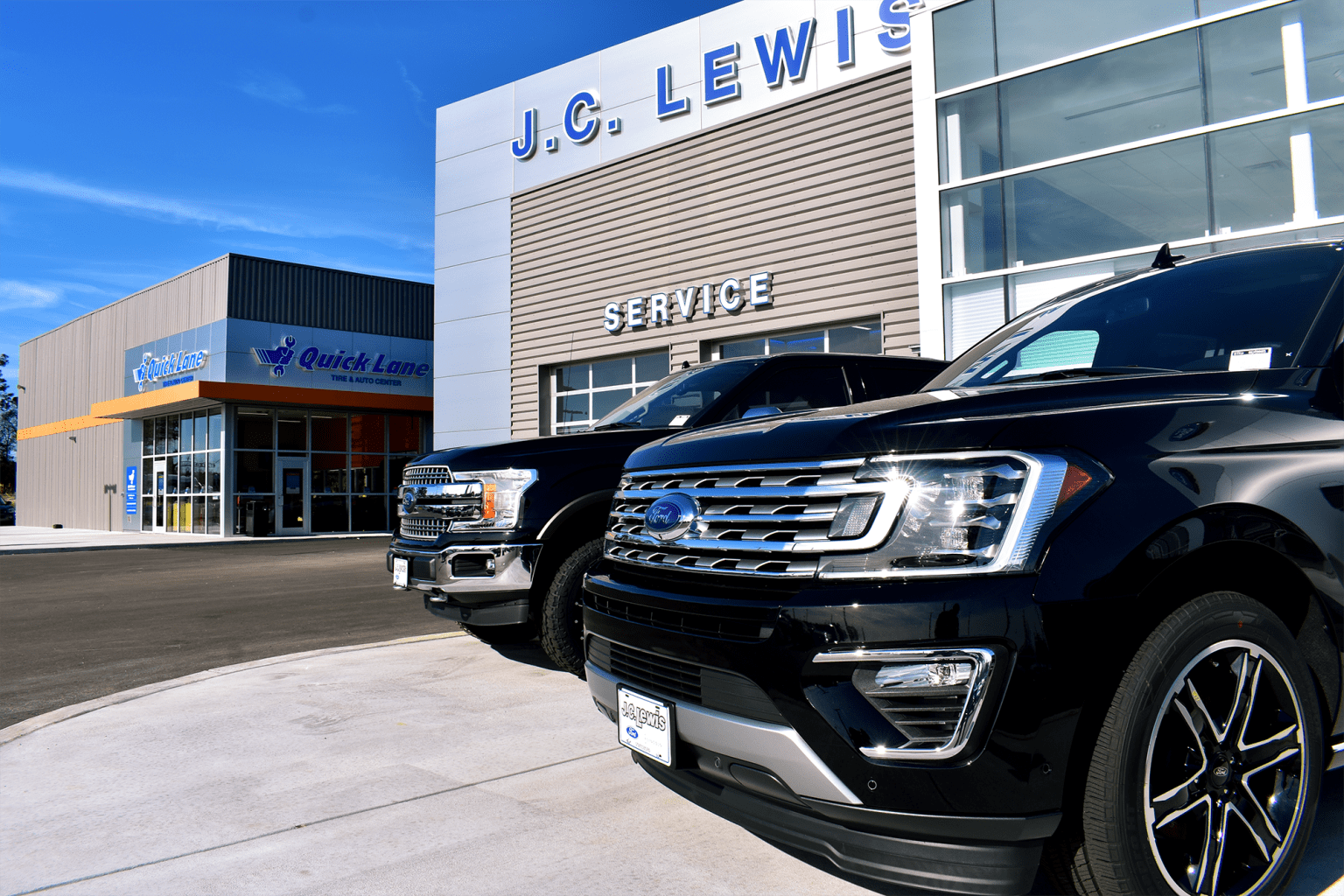
If your windshield repeatedly fogs despite correct climate settings, the next step is finding out why. At J.C. Lewis Ford Savannah, we provide Ford maintenance, diagnostics, and repair support for the systems involved in heating, ventilation, air conditioning, and cabin comfort.
We start with the symptoms you describe. Depending on the concern, our service team evaluates the relevant components and conditions, including:
- Cabin air filter condition and ventilation airflow
- Heating, A/C, and windshield air-distribution performance
- Possible sources of water entering or remaining inside the cabin
- Cooling-system concerns when symptoms suggest coolant leakage
The distinction matters. A filter restriction, malfunctioning air-distribution component, and heater-core leak require different repairs. Identifying the underlying issue gives you a sound basis for deciding what work your Ford needs.
Windshield Fogging FAQs & the J.C. Lewis Ford Savannah Advantage
Get answers to common defogging questions and learn more about our Ford service support in Savannah.
J.C. Lewis Ford Savannah Service
Don’t Let a Foggy Windshield Interrupt Your Drive.
When your Ford’s defroster isn’t doing its job, we’re ready to help. From restricted cabin airflow to heating, A/C, and moisture-related concerns, our J.C. Lewis Ford Savannah service team provides the inspection and repair support you need to address the underlying problem.
J.C. Lewis Ford Savannah | 9505 Abercorn St, Savannah, GA 31406
Service information: Climate-control procedures and features vary by Ford model, year, and equipment. Refer to your vehicle’s owner’s manual for applicable operating instructions.
Ford Pickup & Delivery is offered by participating dealers and may be limited by availability, distance, or dealer criteria. It does not include parts or repair charges. Nonoperational vehicles are not eligible and require roadside assistance.